
Out of Tune
بےسُرا ہی سہی
Besura Hi Sahi
The Story
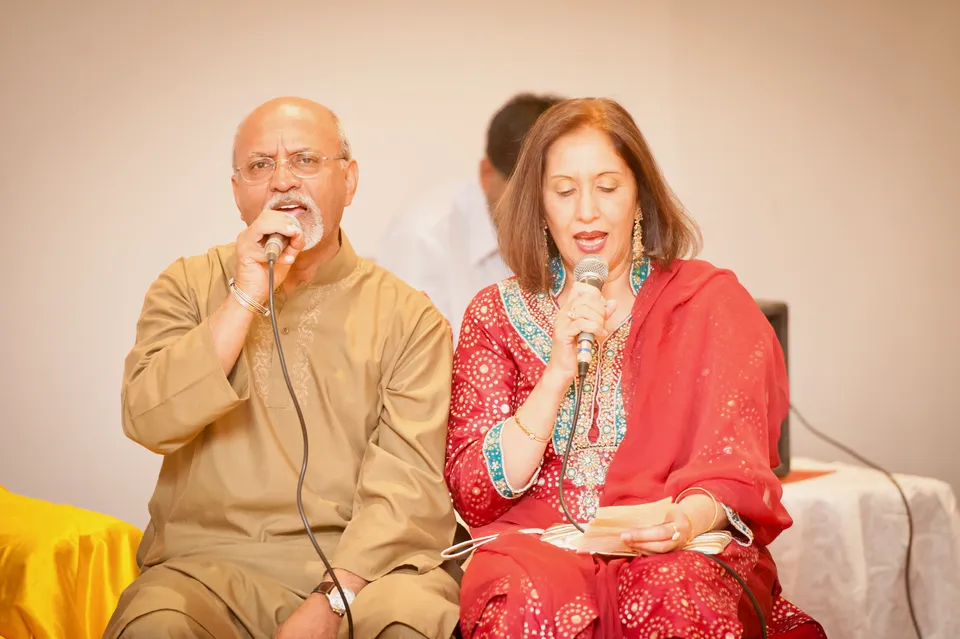
He sang at every opportunity, and he was average at best.
That is the whole poem, and the second half of the sentence matters more than the first. He did not butcher anything. He was not comically terrible, which would have been an easier thing to write about and a lesser thing to be. He was ordinary: the voice that will get through a song without disgracing itself and without stopping anybody in the street. And that is the voice almost nobody uses, because ordinary is the exact condition under which people decide they had better not.
But he had not always been ordinary, and this is the part that turns the poem over. Before Canada he was an editor in chief. He had the platform, the byline, the room that shifted when he walked into it. Then he got on a plane, and on the other side he was nobody in particular, and he stayed cheerful about it for the rest of his life. His own line for it, delivered with delight to anybody who would listen, was: “I have a great future behind me.”
It is a good joke and it is also a finished philosophy. There is no resentment anywhere in it. He is not being brave about a loss; he is genuinely amused that the arrow points the way it points. And underneath the amusement is the trade most immigrant parents make and mostly do not mention: he spent his own height so his children could have theirs. The glory went behind him on purpose, and it went behind him in our direction.
So the plain instrument in the first sher is not the one he was issued. It is the one he accepted. He had held the good one. He put it down, and then he sang just as loudly with what was left, which is a harder thing than never having had the good one at all.
He used his. Constantly. No song was safe. Not filmi, not Punjabi, not ghazal. He would start anything, and when the words ran out, which they regularly did, he hummed his way across the gap or simply invented the next line and carried on as though it had always been there.
The ghazals before this one are true to him and heavy with it. They are accurate. But they are only half accurate, because the man they describe was also the one telling jokes at his own expense, laughing with his entire body, walking into a quiet room and refusing to let it stay quiet. His spirit did not break, and one of the ways you could tell was that he kept singing right through everything that happened to him, at exactly the same middling standard, with exactly the same appetite.
So this one is built out of the singing, and it is built in Punjabi first, because Punjabi is the tongue that can hold the banter. The radif is a shrug: besura ee sahi, off-key then, fine, so what. It is a phrase you can say back to somebody across a room. That is deliberate. The refrain is meant to be shouted back by everybody who loved him.
The turn underneath the joke is old and serious, and it is not the romantic one. The romantic version is Rumi’s reed: the instrument sings because it was broken, and the wound is what makes the music. That is beautiful and it flatters. This poem takes the harder case. Most of us are not broken. Most of us are simply plain, and God hands out plain instruments by the millions, and almost everybody waits to be given a better one before they will play. He did not wait. And he, of all people, knew exactly what the better one had felt like in the hand.
-
He was given a heart, and an average croon, out of tune;
he threw open his throat and he filled up the room, out of tune.دل پورا دیا، اور سادہ سا ساز، بےسُرا ہی سہی
وہ پھر بھی گاتے رہے، اُونچی آواز، بےسُرا ہی سہیdil pūrā diyā, aur sādā sā sāz, besura hi sahi
wo phir bhī gāte rahe, ūnchī awāz, besura hi sahiThe heart He gave whole, and the instrument plain; still he sang, and loudly, off-key then, fine.
ربّ دِتّا دل، تے سادہ جیہا ساز، بےسُرا ای سہی
پر اوہ گاؤندے رہے، اُچّی آواز، بےسُرا ای سہیਰੱਬ ਦਿੱਤਾ ਦਿਲ, ਤੇ ਸਾਦਾ ਜਿਹਾ ਸਾਜ਼, ਬੇਸੁਰਾ ਈ ਸਹੀ
ਪਰ ਓਹ ਗਾਉਂਦੇ ਰਹੇ, ਉੱਚੀ ਆਵਾਜ਼, ਬੇਸੁਰਾ ਈ ਸਹੀrabb ditta dil, te sādā jehā sāz, besura ee sahi
par oh gāunde rahe, uccī awāz, besura ee sahiGod gave him a heart, and a plain enough instrument to go with it; still he sang, and loudly, off-key then, fine.
-
The world listens for pitch; the sky listens for the man;
and the prayer was accepted, and well before noon, out of tune.سُر کی پرکھ تو بندوں کے ہاتھ میں
وہاں پر قبول ہوئی ہر نماز، بےسُرا ہی سہیsur kī parakh to bandoṅ ke hāth meṅ
wahāṅ par qubūl huī har namāz, besura hi sahiThe judging of the note is in human hands. Up there, every prayer was accepted, off-key then, fine.
بندہ سُر ناپے، تے ربّ تکّے دل
تے قبول ہوئی اوتھے ہر نماز، بےسُرا ای سہیਬੰਦਾ ਸੁਰ ਨਾਪੇ, ਤੇ ਰੱਬ ਤੱਕੇ ਦਿਲ
ਤੇ ਕਬੂਲ ਹੋਈ ਓਥੇ ਹਰ ਨਮਾਜ਼, ਬੇਸੁਰਾ ਈ ਸਹੀbanda sur nāpe, te rabb takke dil
te qubūl hoī othe har namāz, besura ee sahiMan measures the note; God looks at the heart. And up there every prayer was accepted, off-key then, fine.
-
He'd forget the lyric, hum a bar, and write one;
whatever is handed down gets rewritten soon, out of tune.بول بھولے تو گُنگُنا کر گئے
گیت کسی کا تھا، ہمارے الفاظ، بےسُرا ہی سہیbol bhūle to gunguna kar gaye
gīt kisī kā thā, hamāre alfāz, besura hi sahiWhen the words went, he hummed his way across. The song belonged to somebody; the words were ours, off-key then, fine.
بھُلّے بول، گُنگُنا کے گھڑ لَیندے
گیت کِسے دا، ساڈے اپنے الفاظ، بےسُرا ای سہیਭੁੱਲੇ ਬੋਲ, ਗੁਣਗੁਣਾ ਕੇ ਘੜ ਲੈਂਦੇ
ਗੀਤ ਕਿਸੇ ਦਾ, ਸਾਡੇ ਆਪਣੇ ਅਲਫ਼ਾਜ਼, ਬੇਸੁਰਾ ਈ ਸਹੀbhulle bol, gungunā ke ghaṛ lainde
gīt kise dā, sāḍe apne alfāz, besura ee sahiWhen the words went, he would hum across the gap and mint new ones; the song belonged to somebody else, the words were ours, off-key then, fine.
-
The film song, the ghazal, the Punjabi: not one spared;
and he deferred to nothing, so nothing was immune, out of tune.نہ فلمی بچا، نہ غزل، نہ پنجابی
نہ تال کا غم تھا، نہ راگ کا لحاظ، بےسُرا ہی سہیna filmī bachā, na ghazal, na panjābī
na tāl kā gham thā, na rāg kā lihāz, besura hi sahiThe film song did not escape, nor the ghazal, nor the Punjabi one; no worry about the beat, no deference to the raga, off-key then, fine.
نہ فلمی بچیا، نہ غزل، نہ ٹپّا
نہ تال دا غم سی، نہ راگ دا لحاظ، بےسُرا ای سہیਨਾ ਫ਼ਿਲਮੀ ਬਚਿਆ, ਨਾ ਗ਼ਜ਼ਲ, ਨਾ ਟੱਪਾ
ਨਾ ਤਾਲ ਦਾ ਗ਼ਮ ਸੀ, ਨਾ ਰਾਗ ਦਾ ਲਿਹਾਜ਼, ਬੇਸੁਰਾ ਈ ਸਹੀna filmī bachyā, na ghazal, na ṭappā
na tāl dā ghamm si, na rāg dā lihāz, besura ee sahiThe film song did not escape, nor the ghazal, nor the tappa; no worry about the beat, and no deference to the raga, off-key then, fine.
-
No airs on him, no affectation, nothing put on;
and plainness was the manner, and the house in a swoon, out of tune.نہ ادا، نہ تکلّف، نہ بناوٹ
یہ سادگی ہی تو تھی اُن کا انداز، بےسُرا ہی سہیna adā, na takalluf, na banāwaṭ
ye sādgī hī to thī un kā andāz, besura hi sahiNo affectation, no standing on ceremony, nothing put on; this plainness was itself his style, off-key then, fine.
نہ کوئی ادا، نہ نخرا، نہ بناوٹ
سادگی ای تاں سی اُنہاں دا انداز، بےسُرا ای سہیਨਾ ਕੋਈ ਅਦਾ, ਨਾ ਨਖ਼ਰਾ, ਨਾ ਬਣਾਵਟ
ਸਾਦਗੀ ਈ ਤਾਂ ਸੀ ਉਨ੍ਹਾਂ ਦਾ ਅੰਦਾਜ਼, ਬੇਸੁਰਾ ਈ ਸਹੀna koī adā, na nakhrā, na banāvaṭ
sādgī ee tāṅ si unhāṅ dā andāz, besura ee sahiNo affectation, no airs, nothing put on; plainness itself was his whole style, off-key then, fine.
-
No bird ever kept a teacher or sat for a class,
and still they leave the nest and fly into monsoon, out of tune.پرندے نے اُستاد کبھی نہ رکھا
اور پھر بھی کبھی نہ رُکی پرواز، بےسُرا ہی سہیparinde ne ustād kabhī na rakkhā
aur phir bhī kabhī na rukī parwāz, besura hi sahiThe bird never once kept a teacher; and even so, the flying has never stopped, off-key then, fine.
کوئی پنچھی اُستاد نہیں رکھدا
پھر وی کدی نہیں رُکدی پرواز، بےسُرا ای سہیਕੋਈ ਪੰਛੀ ਉਸਤਾਦ ਨਹੀਂ ਰੱਖਦਾ
ਫਿਰ ਵੀ ਕਦੀ ਨਹੀਂ ਰੁਕਦੀ ਪਰਵਾਜ਼, ਬੇਸੁਰਾ ਈ ਸਹੀkoī panchhī ustād nahīṅ rakhdā
phir vī kadī nahīṅ rukdī parwāz, besura ee sahiNo bird ever kept a teacher; and still, not once, has the flying stopped, off-key then, fine.
-
A trained voice can bury its sorrow inside a rise;
and his gave the entire man away, like the moon, out of tune.سدھا ہوا سُر غم چھپا لیتا
ہم سے تو کبھی نہ چھپا کوئی راز، بےسُرا ہی سہیsadhā huā sur gham chhupā letā
hum se to kabhī na chhupā koī rāz, besura hi sahiA trained note will hide its grief away; from us, no secret was ever hidden, off-key then, fine.
سدھیا ہویا سُر غم لُکا لَیندا
ساڈے کولوں نہ لُکیا کوئی راز، بےسُرا ای سہیਸਧਿਆ ਹੋਇਆ ਸੁਰ ਗ਼ਮ ਲੁਕਾ ਲੈਂਦਾ
ਸਾਡੇ ਕੋਲੋਂ ਨਾ ਲੁਕਿਆ ਕੋਈ ਰਾਜ਼, ਬੇਸੁਰਾ ਈ ਸਹੀsadhyā hoyā sur gham lukā laindā
sāḍe kolon nā lukyā koī rāz, besura ee sahiA trained note can hide even grief inside itself; from us, no secret ever stayed hidden, off-key then, fine.
-
He never could hold a beat to save his own life,
so the room kept his time for him, all afternoon, out of tune.تال نہ آئے، تالی سب کی بجے
ہمیں اِس بات کا سب سے بڑا ناز، بےسُرا ہی سہیtāl na āye, tālī sab kī baje
hameṅ is bāt kā sab se baṛā nāz, besura hi sahiThe beat would not come to him, and everyone's hands rang out with it; that is the thing we are proudest of, off-key then, fine.
تال نہ آوے، تالی سبھ دی وجّے
ساڈے لئی ایہو سبھ توں وڈا ناز، بےسُرا ای سہیਤਾਲ ਨਾ ਆਵੇ, ਤਾਲੀ ਸਭ ਦੀ ਵੱਜੇ
ਸਾਡੇ ਲਈ ਏਹੋ ਸਭ ਤੋਂ ਵੱਡਾ ਨਾਜ਼, ਬੇਸੁਰਾ ਈ ਸਹੀtāl nā āve, tālī sabh dī vajje
sāḍe laī eho sabh toṅ vaḍḍā nāz, besura ee sahiHe could not find the beat, and every hand in the room found it for him; that was the thing we were proudest of, off-key then, fine.
-
Sing now, Imran; don't wait for a voice to arrive,
and begin where he stopped; that silence is the boon, out of tune.گا، عمران، جہاں وہ خاموش ہوئے
وہیں سے ہی ہے اِس گیت کا آغاز، بےسُرا ہی سہیgā, Imrān, jahāṅ wo khāmosh hue
wahīṅ se hī hai is gīt kā āghāz, besura hi sahiSing, Imran, at the place where he fell silent; that is exactly where this song begins, off-key then, fine.
گا، عمرانا، جِتھے اوہ چُپ ہوئے
اوتھوں ای ہوݨا ایس گیت دا آغاز، بےسُرا ای سہیਗਾ, ਇਮਰਾਨਾ, ਜਿੱਥੇ ਓਹ ਚੁੱਪ ਹੋਏ
ਓਥੋਂ ਈ ਹੋਣਾ ਏਸ ਗੀਤ ਦਾ ਆਗ਼ਾਜ਼, ਬੇਸੁਰਾ ਈ ਸਹੀgā, Imrānā, jitthe oh chupp hoe
othoṅ ee hoṇā es gīt dā āghāz, besura ee sahiSing, Imran, at the place where he fell silent; that is exactly where this song has to begin, off-key then, fine.